For years, app marketers have leaned heavily on search and social. But as those channels become more crowded and less incremental, mobile OEM advertising has emerged as the third pillar of app growth. AVOW gives advertisers access to more than 1.85 billion daily active users across 13 premium OEM partners, such as Samsung, Xiaomi, Huawei, OPPO, vivo, HONOR, Transsion, and more, covering over 86% of the global Android market, while driving more than 10 million monthly app installs for clients.
And yet, perception has not fully caught up with reality. Many marketers still treat OEM advertising as a narrow, regional, or low-flexibility channel. That is exactly what holds brands back from seeing their real value.
1. “OEM advertising is basically just preloads.”
This misconception stems from the very outdated notion that OEMs only do factory preloads. While this may have been true a long time ago, preloads have evolved into something much more dynamic, with apps now presented OTA during device setup and requiring user opt-in for the install to proceed.
While Dynamic Preloads are important, they are only one part of the picture. OEM advertising can be broken down into three core paths: alternative app stores, on-device placements (including branding), and Dynamic Preloads. Its display offering alone spans 100+ placements, including banners, native ads, splash ads, interstitials, push notifications, and app store ads.
That matters because marketers are not buying a single ad unit. They are tapping into a full device ecosystem with multiple discovery moments, from phone setup to app store browsing to everyday on-device engagement.
2. “OEM only works as a performance channel.”
This is one of the easiest myths to outgrow. AVOW does not position OEM as install-only. Our current solution stack includes Dynamic Preloads, display advertising, alternative app stores, and branding Campaigns. Branding campaigns are explicitly framed around brand recognition, mindshare, and staying top of mind, not just driving a last-click install.
That makes OEM advertising far more useful than many mobile marketers assume. It can support full-funnel objectives: awareness, consideration, discovery, installs, and re-engagement, all inside environments users already associate with and frequent on their devices.
“AVOW helped us unlock a powerful channel that cut through the limitations of traditional ad platforms. Their OEM strategy not only scaled our brand visibility but also aligned perfectly with our performance funnel. We now view OEMs as essential to our marketing mix.”
– Christian Nakazawa, Branding Team Leader, BingoPlus
3. “OEM inventory does not offer real targeting.”
That assumption is simply outdated. OEMs provide advanced targeting across demographics, interests, behavior, geography, retargeting, and device-level signals. Advertisers can target users of similar apps and use first-party device data to make campaigns more precise. Many brands have listed appographic, keyword, device type, and user-behavior targeting among the channel’s strengths.
In other words, modern OEM is not broad, blind distribution. It is targeted media inside native environments where context is often stronger than marketers expect.
“I believe a major opportunity lies in precausal audience targeting and shortened conversion paths. At Xiaomi, we make it easier for app developers and advertisers to reach new users who are interested in similar apps, but haven’t found theirs yet. Furthermore, formats like the Mini-Card in our GetApps store enable automatic app downloads upon click, eliminating the redirect to an app marketplace. This significantly reduces user drop-off and improves conversion efficiency.”
– Bono Wu, Head of Sales for US, EU & LATAM, Xiaomi
4. “OEM operates on a fixed CPI model.”
While it may still hold true for some OEMs, this is where AVOW’s partnerships and performance expertise come in. AVOW offers a range of performance models to suit your goals and needs, spanning the entire funnel. Whether it’s CPI, CPC, cost-per-registration, FTDs (first-time deposits), and many more.
In the past, advertisers relied heavily on Fixed Cost Per Install (CPI). However, in 2026, a fixed CPI can actually be a trap. Fixed prices often fail to win auctions for high-intent users, and OEM algorithms may deprioritize these campaigns when conversion rates fluctuate, resulting in a volume ceiling. Using a tailored, mixed performance model via AVOW is what makes OEM channels and your results truly shine.
A new key model is oCPC (Optimized Cost Per Click) paired with a daily budget. This performance-driven model leverages on-device signals to find high-LTV users. With precision bidding, the OEM algorithm analyzes hardware-level data and adjusts bids in real time based on the user’s likelihood of installing, prioritizing true engagement over cheap remnant inventory.
“AVOW has been a crucial partner in helping us scale our mobile marketing efforts while navigating the highly competitive and restricted fintech market for trading apps. AVOW’s expertise in mobile OEM advertising allowed us to unlock new inventory sources, acquire high-quality traders, and optimize performance beyond traditional channels. With AVOW’s seamless coordination across multiple OEMs, we achieved over 1000% ROAS in key markets while maintaining cost efficiency and ensuring sustainable growth.”
– Sotiris Sotiriadis, Performance (UA) Media Team Lead, Exness
5. “OEM is mostly an Asia story.”
APAC remains a major opportunity, but the idea that OEM only matters there is no longer credible. OEMs are a global powerhouse, and even in regions such as Latin America, marketers often underestimate the channel’s scale. Major brands such as Magalu (e-commerce) and C6 Bank (fintech) have seen exceptional results from mobile OEM advertising in the region, experiencing 9x install growth and an additional 100K monthly installs, respectively. We have also witnessed significant growth and success in Europe, with brands in various verticals such as Tripledot (gaming), Exness (fintech), and Joom (e-commerce), which shows just how far the conversation has moved beyond an “Asia only” narrative.
For global growth teams, that shift is important. In Europe, Samsung and Xiaomi alone cover 42% of the entire mobile market. Add OPPO into the mix, and these three OEMs represent over 55% of the Spanish mobile market, with Xiaomi consistently trading blows with Samsung for the top spot in the country. The same is true in Latin America and in countries like Brazil, where Android OEMs hold the top market share spots.
In short, OEM is no longer a regional workaround. It is a broader Android growth channel with huge relevance across multiple markets and verticals.
| Region | Highlights | Notable Brand Successes |
| APAC | Remains a major global powerhouse for OEM growth. Brands globally leverage this mature ecosystem to scale. | Funvent Studios (2.5M+ installs in 1 month), Kredivo (4.7x growth in user spending), mPokket (490K new users) |
| Europe | Samsung and Xiaomi alone cover 42% of the entire mobile market. When combined with OPPO, these three OEMs represent over 55% of the Spanish mobile market. | Tripledot (outperformed targets by 20%), Exness (1000% ROAS), and Joom (+60K monthly installs). |
| LATAM | Android OEMs hold the top market share spots in countries like Brazil. | Magalu (9x install growth), C6 Bank (100K monthly installs). |
On growth in LATAM:
“AVOW helped us go beyond just acquiring users — they delivered high-quality leads that turned into real, active customers. Their targeting was incredibly precise, and the transparency throughout the campaign gave us full confidence. In a market as competitive as Brazil, having a partner like AVOW made a measurable difference.”
– Giovanna Laporta, Performance Media Analyst, C6 Bank
On growth in Europe:
6. “OEM advertising starts and ends with alternative app stores.”
Alternative app stores are a major part of the story, but they are not the whole story. The landscape is very clear: OEM advertising includes alternative app stores, on-device placements, and Dynamic Preloads. As previously noted, OEM advertising also happens directly on devices, in native apps, and across launcher environments.
That distinction matters because it changes how marketers think about reach. OEM is not one storefront. It is a network of native touchpoints across the mobile journey.
7. “OEM audiences are too small or low quality to matter.”
Scale is not the problem. Our OEM ecosystem reaches more than 1.85 billion daily active users, spans 13 premium OEM partners, and drives over 10 million monthly app installs for clients. Just as importantly, the channel is brand-safe and fraud-free by design because placements are controlled and served directly by the device manufacturer, rather than through long chains of intermediaries.
So the more relevant question is not whether OEM has enough audience. It is whether marketers are underutilising a high-intent, direct-to-device environment because they are still thinking in old channel categories.
“Leveraging our global market reach, we’re empowering developers to achieve organic uplift more efficiently. It’s not just about installs; it’s about sustained app success.”
– Nita Wang, Head of Overseas Sales Team, OPPO
The data says otherwise.
Many OEMs have advertising offerings purpose-built for a wide range of gaming categories, from casual and puzzle to strategy, RPG, midcore, hardcore, and multiplayer titles. One often-overlooked point is device-specific targeting, including the ability to target high-performance devices for graphics-heavy and premium gaming apps.
That makes OEM more than viable for gaming and premium experiences. It makes it useful for marketers who need quality, intent, and contextual relevance, and not just cheap reach.
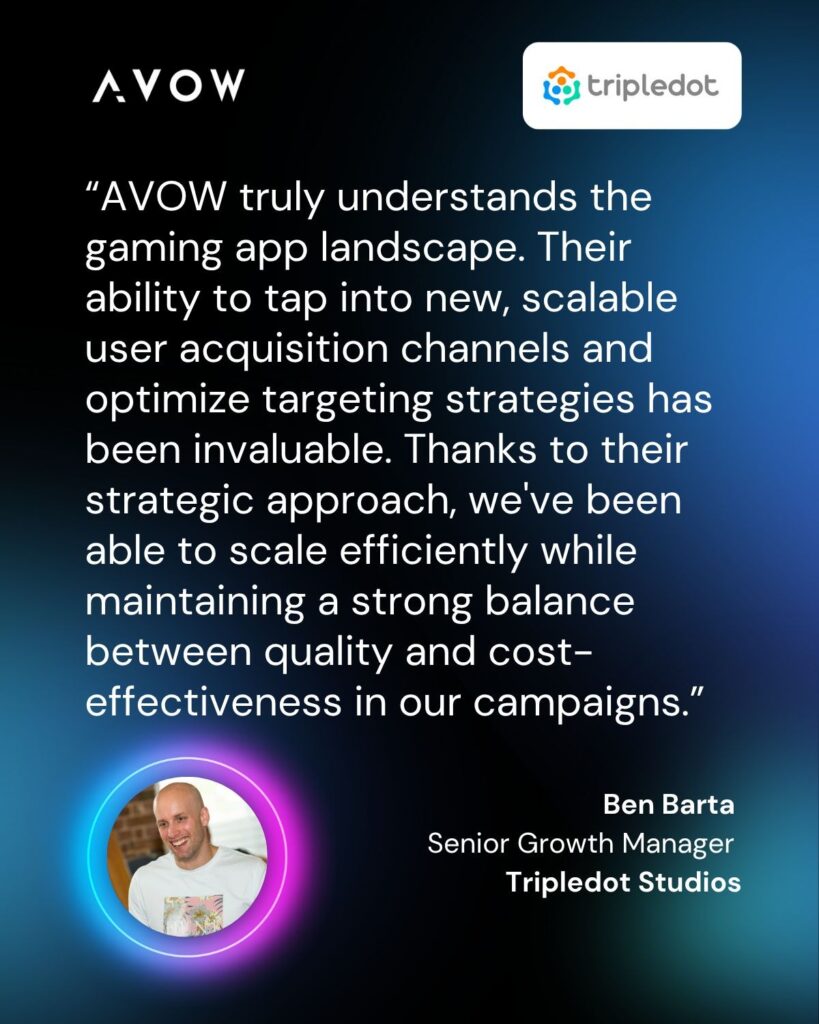
“Our advertising efforts on OEM devices and alternative app stores have been a great way to expand our reach for mobile games. We’ve been able to connect with a wider audience and drive impressive user acquisition results.”
– Ben Barta, Senior Growth Manager, Tripledot Studios
9. “OEM is interesting, but not strategically necessary.”
This may be the most expensive misconception of all. Marketers are stuck in a “rising-cost, shrinking-returns” dynamic across traditional acquisition channels, which is exactly why mobile OEMs should be treated as a foundational growth lever rather than a side experiment.
The brands that win are not the ones that keep squeezing the same saturated channels harder. They are the ones who diversify early, find growth, and build a marketing mix that reaches users beyond the usual duopoly playbook.
10. “OEM campaigns can’t be reliably tracked.”
This is one of the last big misconceptions marketers cling to when they want a reason to stay in the same old channels, but it no longer holds up. AVOW integrates with all major mobile measurement partners, including Adjust, Airbridge, AppsFlyer, Branch, Kochava, Singular, and Tenjin, positioning the advertiser’s chosen MMP as the single source of truth for OEM campaign performance. AVOW’s OEM campaigns are also verified through deep MMP integrations for event setup and anti-fraud protection.
The measurement infrastructure is already there. AppsFlyer, for example, supports multi-store Android attribution, including third-party Android app stores such as Huawei AppGallery and Samsung Galaxy Store, and lets marketers either combine performance into a single dashboard or split reporting by store. MMPs also maintain specific attribution workflows for preload referrer attribution and Google Play Auto Install preload measurement.
The real takeaway is simple: OEM is not untrackable. In actuality, it is measurable, verifiable, and already compatible with the MMP stack performance marketers use everywhere else. For the brands still calling it a black box? They simply haven’t wired it up as a serious growth channel yet.
The Real Misconception? Thinking OEM is Still Emerging.
Mobile OEM advertising is no longer a niche tactic waiting for its moment. The channel is already a core growth pillar, combining Dynamic Preloads, on-device placements, alternative app stores, advanced targeting, brand-safe environments, and global reach.
For app marketers, the takeaway is simple: Mobile OEMs aren’t just another channel to test when everything else stops working. It is a smarter, more diversified way to grow to avoid hitting that wall altogether.
Frequently Asked Questions (FAQs) About Mobile OEM Advertising
What exactly is mobile OEM advertising?
Mobile OEM advertising allows app marketers to promote their apps directly on devices manufactured by brands like Samsung, Xiaomi, Huawei, OPPO, vivo, HONOR, Transsion and many others. It goes far beyond factory preloads, encompassing three core paths: alternative app stores, on-device placements (including native ads and push notifications), and Dynamic Preloads.
Is OEM advertising brand-safe and free from ad fraud?
Yes. OEM advertising is brand-safe and fraud-free by design because ad placements are controlled and served directly by the device manufacturer. This eliminates the long chains of intermediaries where ad fraud typically occurs.
Can I track the performance of OEM campaigns?
Absolutely. OEM campaigns are highly measurable and verifiable. AVOW integrates with all major mobile measurement partners (MMPs), including Adjust, Airbridge, AppsFlyer, Branch, Kochava, Singular, and Tenjin. Your chosen MMP remains the single source of truth for tracking campaign performance, events, and attribution.
Is OEM advertising only for driving app installs?
No, OEM advertising supports full-funnel marketing objectives. While it is highly effective for user acquisition, it also offers robust branding campaigns designed to boost brand recognition, mindshare, and discovery across the entire mobile journey.
Do OEMs offer advanced audience targeting?
Yes. Modern OEM advertising provides advanced targeting capabilities based on demographics, interests, user behavior, geography, and device-level signals. Advertisers can even target users of similar apps (appographic) or leverage first-party device data to make their campaigns incredibly precise.
About the Author