


The fitness industry is currently in the midst of a digital revolution, with the global fitness app market poised for a substantial surge. By 2033, it is projected to reach an impressive USD 33.58 billion, growing at a rapid pace of 13.59% CAGR. This market growth not only signifies a global shift towards digital wellness but also presents a promising future for app developers and marketers. The health and fitness app has evolved from a simple pedometer to an essential tool for every fitness enthusiast looking to achieve their fitness goals.
For app developers and marketers, building a successful fitness app is not just about a list of functions; it’s about harnessing the power of sophisticated technology and a deep understanding of the user’s entire fitness journey. This combination empowers you to create apps that truly resonate with users and help them achieve their fitness goals.
This guide outlines the 10 essential features that are not just functions but the driving force behind user engagement, enhanced user experience, and the definition of a high-performing health and fitness app today. By focusing on these aspects, you can create apps that users love and find beneficial for their fitness journey.
The core of health and fitness app success: Personalization and data
To stand out in the crowded market, a health and fitness app must prioritize features that cater to individualized needs, often leveraging AI and integration capabilities.
1. Personalized workout plans (AI-Driven)
78% of fitness trainers utilize AI for customized or personalized programs. Personalization is an essential, non-negotiable feature that significantly boosts user engagement and retention. AI-driven, customized workout plans, unlike generic ones, take into account the user’s age, current fitness level, and specific fitness goals (such as weight loss or strength training), providing a more effective and engaging fitness experience.
- Customized routines: A successful fitness app uses algorithms and AI to analyze user data such as age, current fitness level, and specific fitness goals (like weight loss or strength training) to suggest and adapt personalized workout plans.
- Adaptability: As fitness goals and fitness levels evolve, the app should be flexible enough to let users modify their workouts based on progress and changing objectives, sustaining user engagement over time.
2. Comprehensive workout tracking and progress monitoring
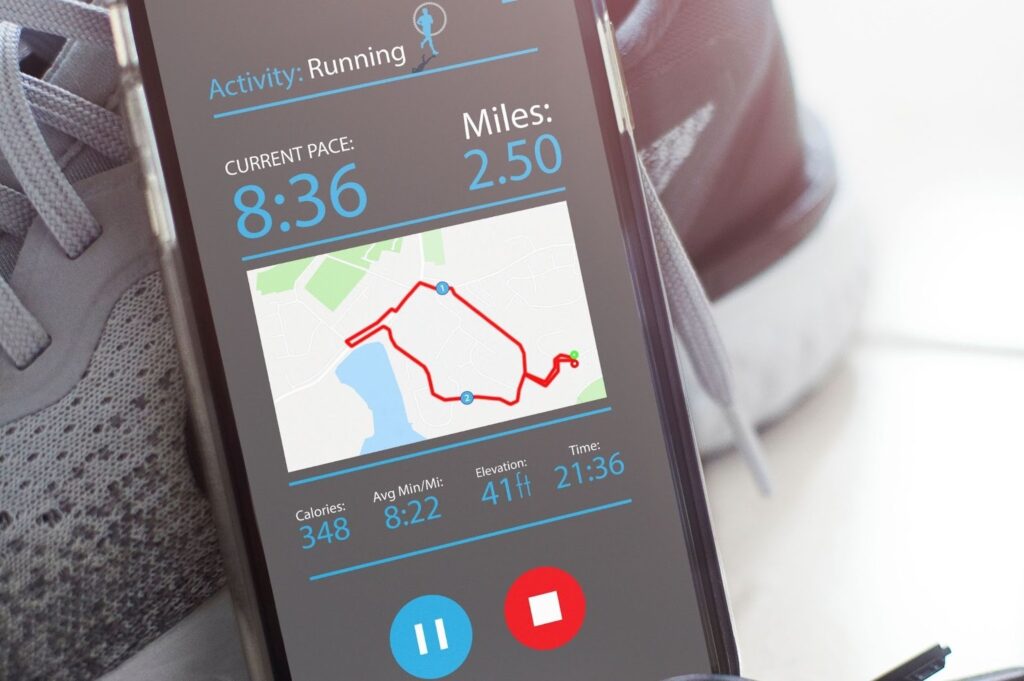
Workout tracking is arguably the most fundamental fitness app feature, allowing app users to visualize their fitness journey through real-time data.
- Real-time feedback: Providing prompt timers, audio cues, and instant feedback on metrics such as calories burned or distance covered is a powerful motivator for consistent app usage.
- Visual Progress: The inclusion of visual progress graphs, goal setting, and achievement badges allows users to establish and accomplish fitness goals while boosting motivation through visual accomplishments. The most successful platforms track key health metrics, such as calories burned, steps taken, and detailed workout progress.
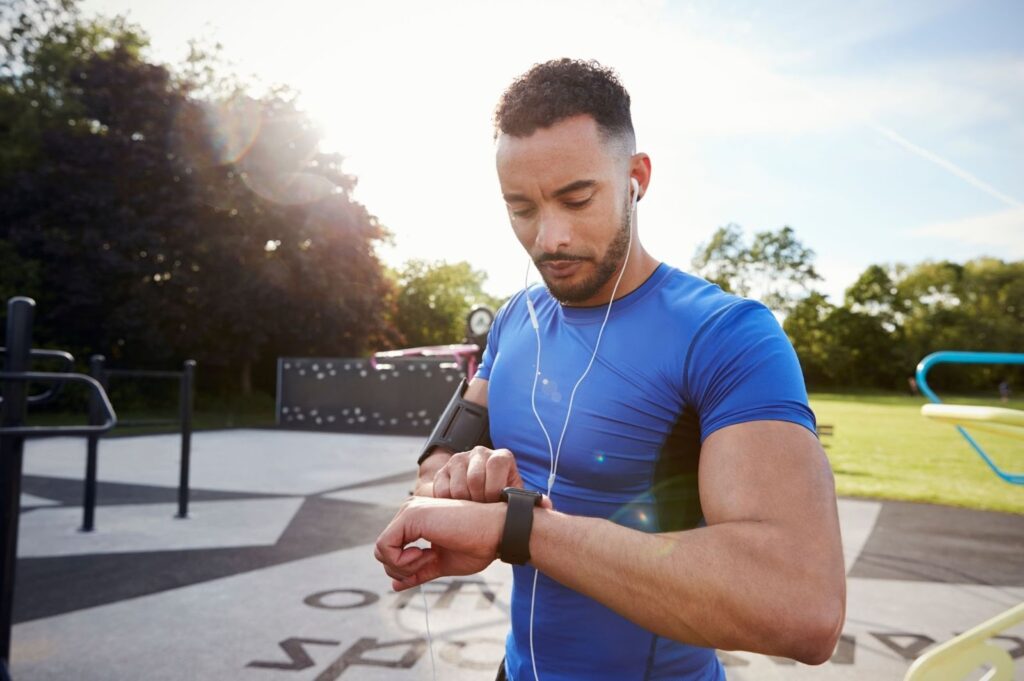
3. Seamless integration with wearable devices
By 2022, the global market for connected wearables reached an impressive milestone, with approximately 1.11 billion devices in use worldwide. This significant growth underscores the increasing integration of technology into daily life and the rising popularity of wearable devices among consumers. Seamless integration with wearable devices (such as smartwatches and fitness trackers) and health apps is no longer a luxury; it’s a user expectation for a holistic fitness-tracking experience.
- Data aggregation: Integrating with platforms like Samsung Health, Mi Fitness, Google Fit, and Apple Health (HealthKit) is crucial for aggregating a broader range of health data, including steps, heart rate, sleep quality, and physical activity, to provide a comprehensive view.
- Enhanced functionality: This integration enables the fitness application to provide synced, real-time data on users’ physical activity, facilitating reliable, continuous progress monitoring.
Features that drive action and community
A great health and fitness app turns solo workout routines into a shared, gamified adventure, using psychological motivators to keep app users consistent.
4. Nutrition tracking and meal planning
In 2022, the number of users of diet and nutrition apps surged to 1.4 billion, up from 1 billion in 2020. This growth reflects rising awareness of health and wellness, prompting more individuals to seek tools to manage their diet and nutrition effectively. Since getting fit goes hand in hand with what users eat, integrating nutrition tracking and meal planning is essential for promoting a holistic, healthy lifestyle.
- Dietary guidance: The app should offer personalized nutrition guidance and meal suggestions based on individual food preferences, daily calorie intake, and fitness goals.
- Convenience: Features such as a barcode scanner for packaged foods and seamless integration with dedicated nutrition apps (like MyFitnessPal) make logging meals quick and accurate, helping users stay on track with their diet.
5. Gamification and fitness challenges
Gamification turns workouts into a fun game, boosting user engagement by tapping into the inherent desire to compete and achieve.
- Competitive elements: Incorporating fitness challenges with friends, leaderboards to compare progress, and virtual trophies/badges for achieving milestones encourages consistent activity and healthy competition.
- Motivation: Studies show that adding game-like elements could boost user activity by 47%, making it vital for improving user retention and app popularity.
6. Social integration and community building
Social features transform a solitary fitness routine into a shared experience, offering encouragement and accountability.
- Sharing and support: Enabling app users to share their fitness outcomes, milestones, and tips on social networks fosters a sense of community and provides encouragement from friends and family.
- Group activities: The app should facilitate joining virtual workout sessions or group fitness challenges with like-minded users, thereby enhancing motivation and keeping users engaged.
7. Virtual coaching and personal training support
Virtual coaching democratizes personal training, breaking down location barriers and offering professional guidance to app users anywhere.
- AI and AR: Advanced fitness apps use AI to create customized workout plans and Augmented Reality (AR) to offer visual guidance for proper exercise form, which helps improve technique and reduce the risk of injury.
- Support for professionals: A key distinction of modern fitness app development is the provision of specialized tools for fitness professionals and personal trainers, including client management tools, customizable workout plan templates, and in-app messaging for seamless client interactions.
Features for accessibility and technical excellence
8. Multi-platform support and offline access
A high-performing fitness app must ensure a consistent, convenient experience regardless of the user’s location or device.
- Seamless syncing: Multi-device synchronization is crucial for consistency, enabling users to access their data and resume their workout across smartphones, tablets, smartwatches, and even TVs.
- Offline capability: Offering offline access to guided workouts and data ensures users can stick to their fitness routine without interruption, even in areas with poor or limited Wi-Fi.

9. Accessibility features for all users
Designing an inclusive health and fitness app ensures usability for a wider audience, including those with disabilities.
- Usability tools: App features must include voice commands, screen reader support, adjustable color settings (like High Contrast), and simplified animations to meet different needs.
- Specialized tracking: Integrating features like Wheelchair Accessibility algorithms ensures accurate activity tracking for all users.
10. Wellness integration (yoga and meditation)
The shift towards holistic health means a successful fitness app must go beyond the purely physical.
- Mind-body balance: Incorporating features for yoga and meditation caters to users seeking both mental wellness and physical fitness.
- Stress management: Offering guided yoga sessions, relaxation-focused meditation techniques, and mindfulness exercises makes the app a versatile tool for managing stress and improving overall personal fitness.
Conclusion
The health and fitness app market is booming, and the key to creating a market leader is prioritizing essential features that seamlessly blend advanced technology with human motivation. We must focus on personalized experiences, robust fitness tracking, strong community elements, and deep integration with wearable devices.
By viewing app development as creating a supportive, adaptable, and data-driven companion for the user’s entire fitness journey, we can ensure our fitness applications not only attract but also retain the next generation of fitness app users.
Your app’s success depends on reaching these high-intent, proactive consumers where they start their digital journey: directly on their new smartphone. Stop fighting for visibility on crowded app stores. AVOW’s mobile OEM advertising platform provides the strategic advantage of the OEM channel, offering premium placements that bypass the clutter.
We offer direct access to 86% of the global Android market and over 1.85 billion daily active users worldwide, connecting your wellness solution with the users most likely to commit to a long-term subscription plan. Ready to acquire high-value, high-retention users and scale your share of the global wellness sector?
Contact us now to design your health and wellness app growth strategy.
About the Author
